
Massage Therapy Blog
Tips & Insights from James Palmer CMT
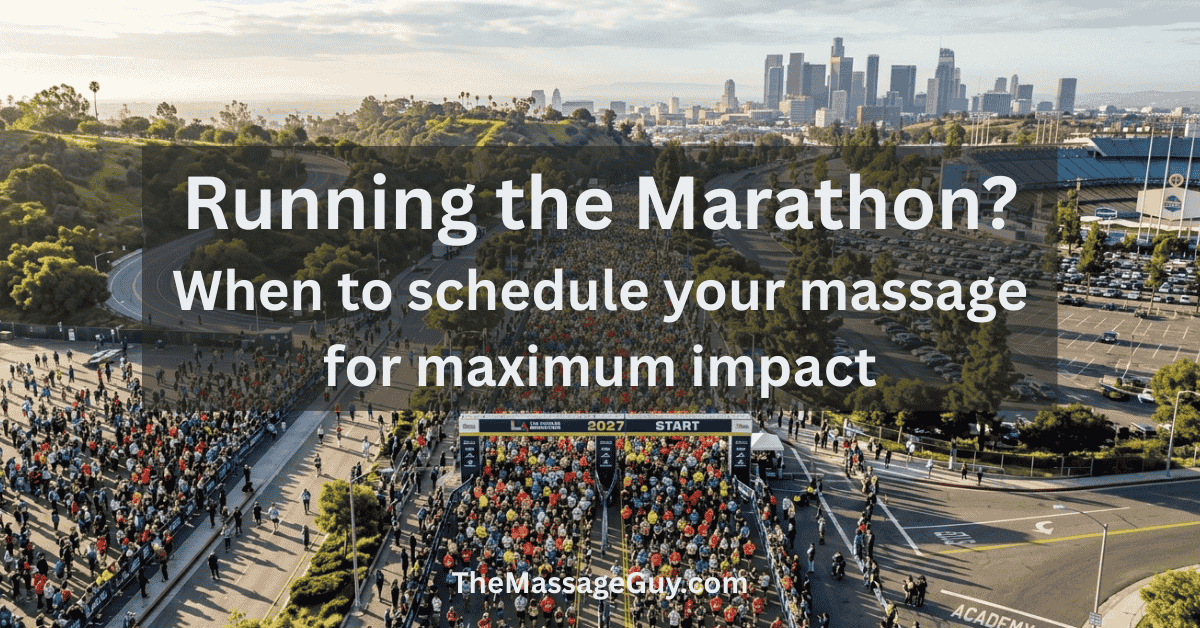
Pre-Marathon Massage: Myths and Facts Explained
Prepare for the LA Marathon with the right pre-marathon massage. Discover myths vs. facts and why a 'Tune-Up' beats a deep tissue massage. Stay fresh and ready!

Massage and the Immune System: Can It Reduce Sickness?
Can massage support your immune system? Explore how stress reduction, sleep, and circulation may help your body stay resilient.
Give the Gift of Relaxation: Holiday Massage Gift Certificates in Los Angeles
Give a gift everyone appreciates — a luxurious, in-home massage experience. Gift certificates are available now.
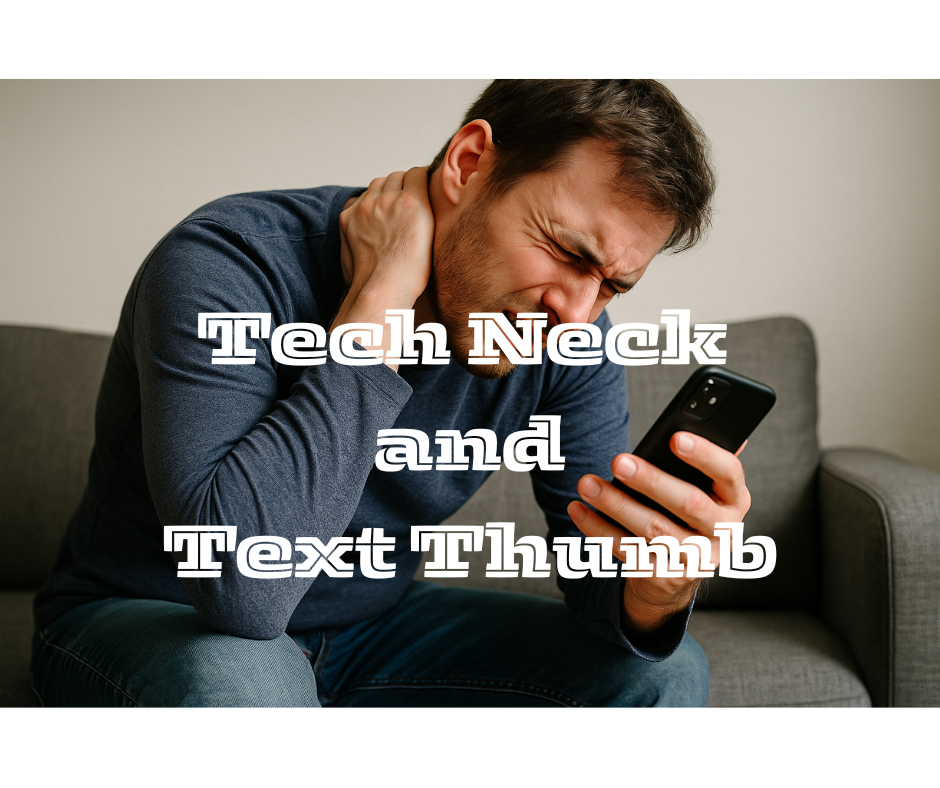
How to Beat “Tech Neck” and “Text Thumb” with Myofascial Release and Deep Tissue Massage
Struggling with tech neck, text thumb, or shoulder pain from long hours at your desk? Learn how myofascial release and deep tissue massage can relieve screen-related tension, improve posture, and reduce carpal tunnel–like symptoms. Get expert tips and real relief in Los Angeles
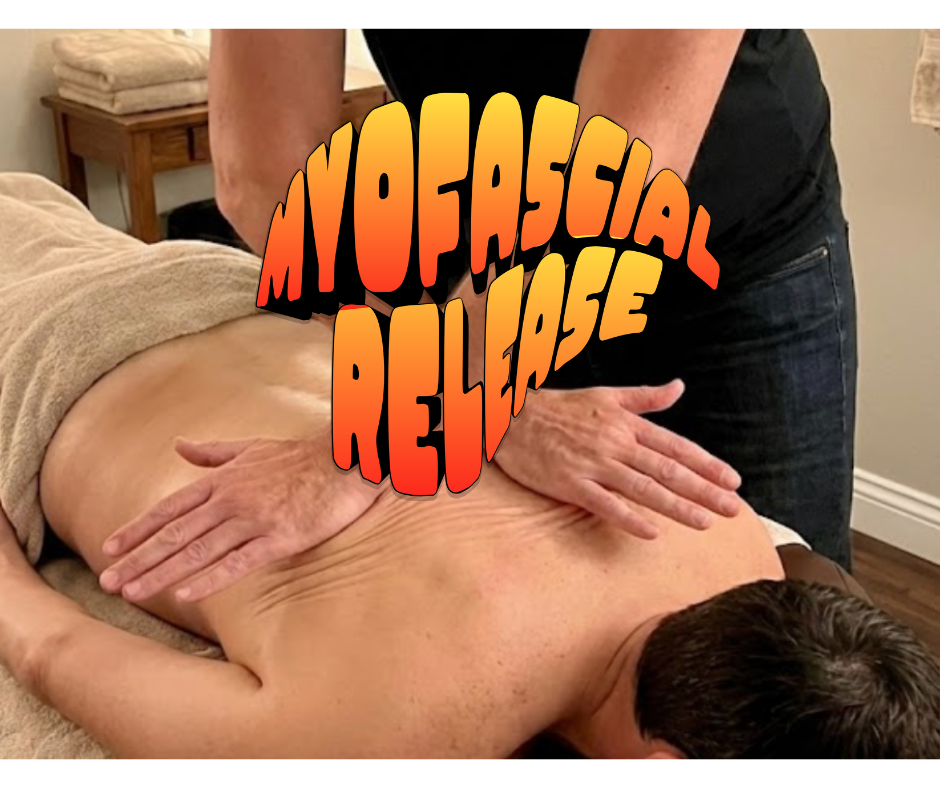
What to Know Before Your First Myofascial Release Session in Your Own Home
If you’ve never experienced myofascial release before, your first session may surprise you — in the best possible way. Unlike a traditional Swedish massage that uses long, oily strokes, myofascial release relies on slow, sustained pressure with little to no oil, allowing your therapist to create gentle traction on the skin and fascia. This technique helps unwind adhesions, restore mobility, and bring warmth and blood flow to the tissue much faster. When done in the comfort of your own home, the body relaxes more deeply, making the results even more profound. Here’s what to expect before your first mobile myofascial release session — and why this therapeutic style is so effective for lasting change.

Understanding Dynamic Cupping: Benefits, What to Expect, and Why It’s Great for Athletes
Dynamic cupping is one of the most effective recovery tools for athletes and active individuals. Learn how this advanced cupping technique reduces muscle tension, improves mobility, speeds recovery, and supports better athletic performance. Discover what to expect during a session, who benefits most, and why dynamic cupping is quickly becoming one of the most in-demand bodywork services in Los Angeles.

Best Mobile Massage in Beverly Hills: Why In-Home Sessions Beat the Spa Experience
Looking for the best mobile massage in Beverly Hills? Discover why in-home massage therapy offers more comfort, privacy, and therapeutic benefit than a spa — plus how to choose a certified professional who brings luxury to you.

The Ultimate Guide to Choosing a Certified Mobile Massage Therapist in Los Angeles
Looking for a licensed massage therapist in LA who comes to your home? This guide explains how to vet a mobile massage therapist, what credentials to look for, where to verify certification, and how to choose the right fit for your wellness needs.

Finding Gratitude in the Everyday
Finding gratitude in everyday moments brings peace and perspective. From evening drives along Mulholland with the city lights below to savoring a vegan meal at Pure Vida in West Hollywood, this reflection celebrates mindfulness, beauty, and thankfulness in the simple rhythms of life as a Beverly Hills massage therapist.

What is Range of Motion, Anyway? And Why Does It Matter?
Every joint in your body has a normal, expected range of motion (ROM), a blueprint for how far it should be able to move, determined by factors like joint structure, muscles, and connective tissues. However, this optimal ROM can be significantly decreased by various common culprits, including muscle tightness, scar tissue, inflammation, nerve entrapment, or even a sedentary lifestyle – imagine a stiff neck where you can't turn your head to an extent that makes driving difficult. Understanding what limits your ROM is crucial, as ignoring these restrictions can lead to increased injury risk, chronic pain, and a reduced quality of life. The good news is that through targeted bodywork and conscious movement, many of these limitations are addressable, helping you regain your natural freedom of movement.