Massage and the Immune System: Can It Reduce Sickness?

When people think about massage therapy, they usually think of relaxation, sore muscles, or stress relief. But a question that comes up more often—especially during cold and flu season—is whether massage can actually support the immune system and reduce how often we get sick.
The short answer: massage isn’t a magic shield against illness, but it can play a meaningful role in supporting immune function by influencing systems that directly affect how resilient your body is.
Let’s look at what massage actually does, what the research shows, and where the benefits realistically land.
Understanding the Immune System (Briefly)
Your immune system isn’t a single organ—it’s a coordinated network involving:
White blood cells
The lymphatic system
Hormones such as cortisol
The nervous system, especially stress responses
When this system is balanced, your body responds more effectively to threats. When it’s chronically stressed, inflamed, or sleep-deprived, immune function can weaken.
Massage intersects with several of these pathways.
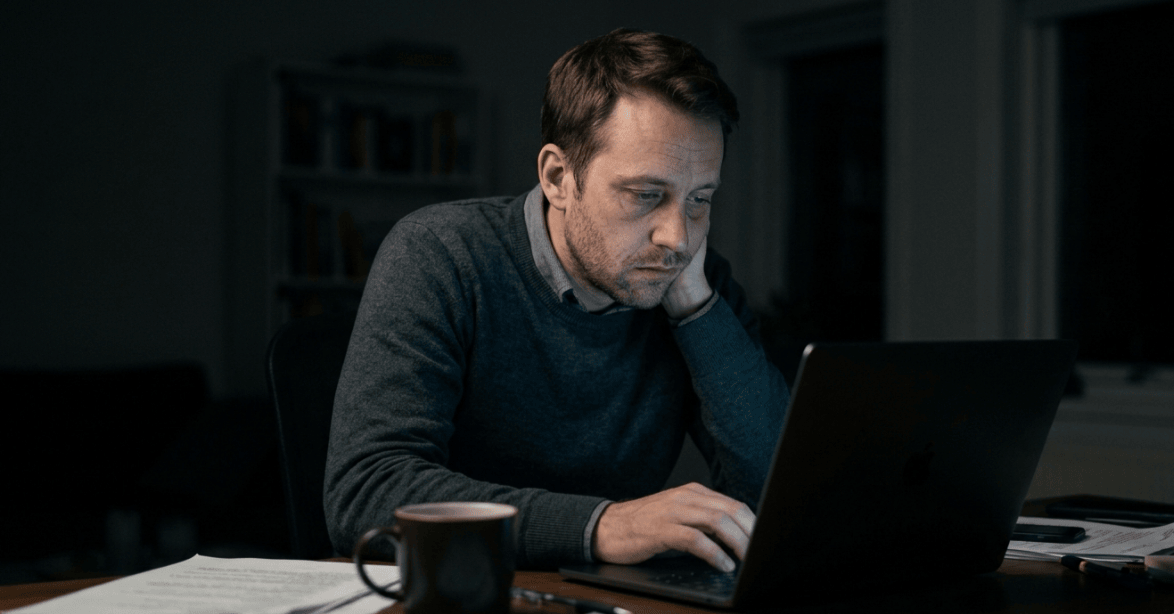
Massage and Stress: The Strongest Immune Link
One of the most consistent effects of massage therapy is stress reduction.
Chronic stress elevates cortisol, and sustained high cortisol levels are associated with suppressed immune activity, increased inflammation, and slower recovery. According to the American Psychological Association, long-term stress can weaken immune response and increase vulnerability to illness (https://www.apa.org/monitor/2013/07-08/stress-illness).
Massage activates the parasympathetic nervous system—the “rest and digest” state. In this state:
Heart rate decreases
Breathing deepens
Cortisol levels drop
Immune regulation improves
Research suggests massage therapy can significantly reduce cortisol while increasing serotonin and dopamine (https://www.ncbi.nlm.nih.gov/pmc/articles/PMC4449498/). Lower stress hormones create an internal environment where immune processes function more efficiently.
This doesn’t mean massage prevents illness—but it may help your body respond more effectively when exposed.
Lymphatic Flow: Supporting Immune Transport
The lymphatic system is central to immune health. It transports immune cells and filters pathogens through lymph nodes.
Unlike the cardiovascular system, the lymphatic system has no central pump. It relies on movement, muscle contraction, breathing, and external stimulation to circulate fluid.
Certain massage techniques—particularly gentle, rhythmic work—may help stimulate lymph flow. Research on manual lymphatic drainage suggests that light-touch techniques can enhance lymph movement and reduce fluid stagnation (https://www.ncbi.nlm.nih.gov/pmc/articles/PMC3953356/).
Improved lymph circulation may support:
More efficient immune cell transport
Waste removal
Reduced tissue congestion
This doesn’t “flush toxins” or cure illness, but it supports a system that plays a key role in immune surveillance.
What Research Shows About Immune Markers
Some small studies have examined how massage affects immune indicators directly. For example, research published in the Journal of Alternative and Complementary Medicine found that a single session of Swedish massage was associated with increased lymphocyte levels—cells involved in immune response (https://pubmed.ncbi.nlm.nih.gov/21406938/).
Other studies have observed reductions in inflammatory cytokines after massage, suggesting a potential role in immune regulation rather than immune “boosting” (https://www.ncbi.nlm.nih.gov/pmc/articles/PMC3414449/).
Important caveat:
These findings are supportive, not conclusive. Massage appears to influence immune-related processes indirectly and temporarily, not transform immune function on its own.
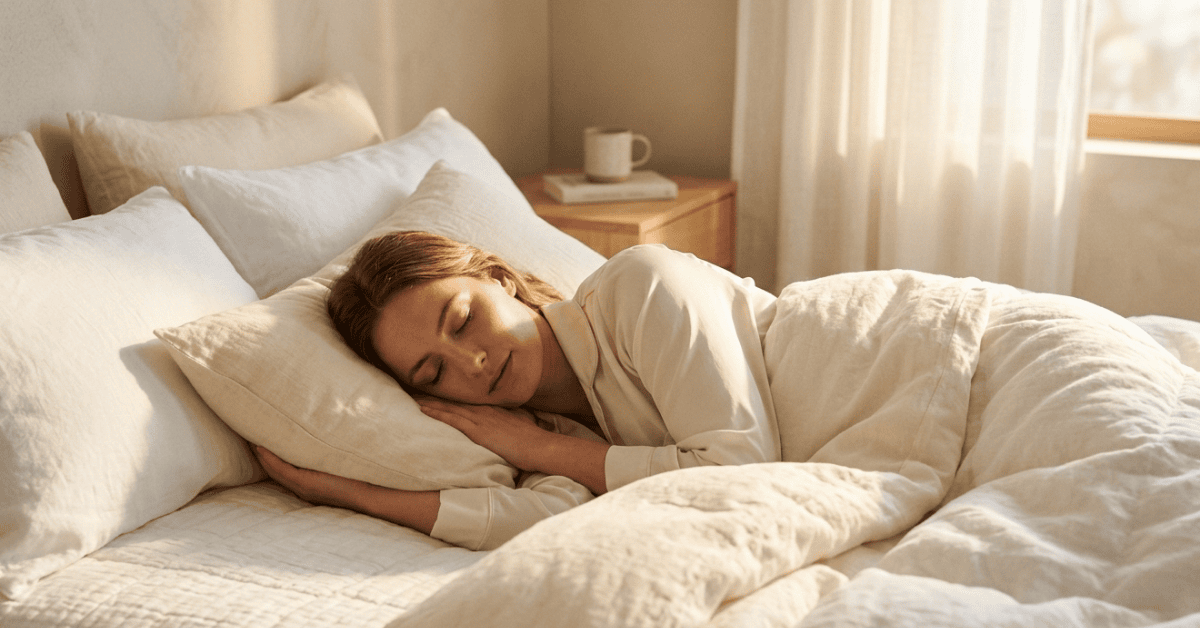
Sleep, Recovery, and Immune Health
Sleep is one of the strongest predictors of immune resilience. Poor sleep has been shown to increase susceptibility to viral illness, including the common cold (https://www.ncbi.nlm.nih.gov/pmc/articles/PMC2629403/).
Massage therapy has been shown to improve sleep quality by reducing nervous system hyperarousal and physical tension. Research suggests massage can increase delta brain waves associated with deep sleep and relaxation (https://www.sciencedirect.com/science/article/abs/pii/S0965229910000419).
If massage helps you sleep more deeply or consistently, that alone can positively affect immune function.
Can Massage Help When You’re Already Sick?
Massage should not be performed during active contagious illness, fever, or systemic infection. That’s a safety issue.
However, during recovery, massage may help by:
Reducing residual muscle soreness
Supporting circulation
Calming the nervous system after illness
Think of massage as recovery support—not treatment during acute sickness.
Who May Benefit Most?
Massage may be especially helpful for immune support if you:
Experience chronic stress or burnout
Have demanding work or caregiving roles
Struggle with sleep
Carry ongoing anxiety or trauma-related tension
In these cases, massage supports immune health indirectly by regulating stress and recovery systems.
What Massage Cannot Do
Massage does not:
Prevent viral exposure
Replace vaccines or medical care
Guarantee fewer illnesses
“Boost” immunity in a permanent way
Any claim that massage alone prevents sickness is oversimplified.
The Bottom Line
Massage therapy doesn’t make you immune to illness—but it supports the internal conditions that allow your immune system to function more effectively.
By reducing stress, supporting lymphatic circulation, improving sleep, and calming the nervous system, massage becomes part of a broader resilience strategy—not a quick fix.
Think of massage as maintenance rather than protection. When your body feels safer, calmer, and more regulated, it tends to recover better, adapt faster, and respond more efficiently. That’s where its real immune value lies.
-
No. Massage isn’t a magic shield or a permanent immune “boost.” It supports conditions that help your immune system work better—mainly by lowering stress, aiding lymphatic flow, improving sleep, and calming the nervous system.
It does not replace vaccines or medical care, and it won’t guarantee fewer illnesses.
-
Primarily by reducing stress and improving regulation. Massage activates the parasympathetic (“rest and digest”) response, which lowers heart rate, deepens breathing, and reduces cortisol. Lower stress hormones and better nervous system balance support immune regulation. Gentle techniques can also encourage lymph flow, aiding immune-cell transport and waste removal.
Many people also sleep better after massage, and better sleep is strongly linked to increased immune resilience.
-
Findings are supportive but not conclusive. Studies show massage can reduce cortisol and increase serotonin and dopamine; light-touch lymphatic techniques can enhance lymph movement; a single Swedish massage session has been associated with increased lymphocytes; and some research reports reduced inflammatory cytokines. These effects appear to be modest and temporary—more about immune regulation than dramatic “boosts.”
-
Not during an active contagious illness, fever, or systemic infection—massage should be avoided for safety. During recovery, though, massage may help reduce residual muscle soreness, support circulation, and calm the nervous system. Think of it as recovery support, not treatment for acute sickness.
-
People under chronic stress or burnout, those with demanding work or caregiving roles, individuals who struggle with sleep, and those carrying ongoing anxiety or trauma-related tension. In these cases, massage can indirectly support immune health by improving stress regulation and recovery.