Pre-Marathon Massage: Myths and Facts Explained
Thinking of booking a deep, therapeutic massage the Friday before the LA Marathon? You might want to think again. While it sounds like the perfect reward after logging hundreds of training miles, sports massage therapists agree this decision could be the single biggest mistake you make in your final week. Let’s break down the right way to use a pre-race massage to get you to the finish line feeling strong, not sore.
A massage isn't a one-size-fits-all solution; its success depends entirely on timing and technique. Getting an intense, corrective massage too close to race day is like doing another hard workout—it can leave muscles with the same fatigue you’ve been tapering to avoid. For runners preparing for a marathon, the goal isn't to fix long-term issues in the final days. It's about a final tune-up, not an engine rebuild.
To feel confident walking into your appointment, you need to know:
The 4-7 day ‘sweet spot’ to schedule your session.
Why a light ‘Tune-Up’ beats a ‘Fix-It’ massage before a race.
The simple script of exactly what to tell your therapist.
The Pre-Marathon Massage Timeline: Your 'Safe Zone' vs. 'Danger Zone'
As race day for the LA Marathon inches closer, the urge to book a last-minute massage is strong. While the intention is good, getting the timing wrong can sabotage months of hard work. Think of it less as a simple appointment and more as a strategic part of your final preparations, because even a beneficial massage is a stressor your body must adapt to.
It helps to think of a therapeutic massage as a small, passive workout for your muscles. The bodywork creates a response in the tissue that requires a brief recovery period. Just as you wouldn't run your last long run the day before the marathon, you shouldn't subject your muscles to significant manipulation right before they need to perform at their absolute peak on race day.
This brings us to the golden rule of pre-race timing. Your ideal 'sweet spot' is four to seven days before the race. This window gives your body ample time to recover from the massage itself, absorb the benefits of increased circulation, and settle into a state of readiness. The 'danger zone' is any time within three days of the race, where you risk showing up to the starting line with residual soreness or fatigue instead of fresh legs.
By scheduling correctly, you ensure the massage works for you, not against you, leaving you feeling loose and prepared. But timing is only half the equation. The type of massage you get during this final week is just as critical.
'Tune-Up' vs. 'Fix-It': Why Your Pre-Race Massage Must Be Different
Walking into a massage appointment the week of the LA Marathon and simply saying, “I’m a runner,” isn’t quite enough. The type of bodywork you receive can either prime your muscles for peak performance or leave you feeling like you just ran a hard 10k. To get it right, you need to understand the crucial difference between a “Fix-It” session and a “Tune-Up” session.
Think of a ‘Fix-It’ massage as an engine rebuild for your muscles. This is the deep tissue work designed to break up stubborn, chronic knots and adhesions you’ve developed over months of training. While incredibly beneficial for addressing a nagging hamstring or tight calf mid-season, this intense work causes micro-trauma and inflammation that requires significant recovery. Getting this done in race week is a huge mistake.
Instead, your pre-race goal is a ‘Tune-Up’ massage. This is a much lighter, flushing-style massage (often based on Swedish techniques) with a completely different purpose. It isn’t meant to correct long-standing issues. Its only job is to prepare your body for the task immediately ahead.
By specifically requesting a light, flushing "Tune-Up," you ensure you get all the benefits of increased blood flow and muscle relaxation without the soreness. This helps you step up to the starting line at Dodger Stadium feeling prepared, not punished. But what exactly is this "flushing" doing for your body? It's more than just a feel-good myth.
Myth vs. Fact: What a Pre-Race Massage Actually Does for Your Body
For years, runners have been told that a massage “flushes out lactic acid.” While it sounds convincing, it’s one of the biggest myths in sports massage. Your body is incredibly efficient and clears out lactic acid on its own within an hour or two of a workout. A massage days later isn't addressing last week’s long run; it’s preparing you for this weekend’s main event.
The real magic of that pre-race “tune-up” is much simpler: boosting blood circulation. The lighter, longer strokes of a flushing massage encourage fresh, oxygenated blood to flow into your muscle tissues. Think of it as a final delivery of high-quality fuel and hydration directly to your legs. This increased blood flow helps tissues feel more pliable and responsive, giving you that “springy” and ready-to-go feeling on race morning.
Beyond the physical benefits for your legs, a tune-up massage has a powerful effect on your mind. Taper week is famous for causing anxiety, phantom pains, and restless nights. A gentle, calming massage helps soothe your nervous system, dialing down the pre-race jitters. This isn't just about feeling relaxed; it's a performance tool that can lead to better sleep and a calmer, more focused mindset at the starting line.
When you combine these effects, the benefits of a pre-race leg massage become clear. It’s not about painfully correcting old problems but about making your muscles pliable and your mind calm. To unlock these benefits, however, you need to communicate exactly what you need to ensure your session is a true tune-up, not an accidental fix-it job.
How to Talk to Your Therapist: A 3-Step Script for the Perfect Pre-Race Session
Walking into a massage appointment the week of your marathon can feel intimidating. You know you don’t want a painful, deep-tissue session, but how do you say that without sounding difficult? Clear communication is the single most important part of sports massage for marathon runners. To get the perfect tune-up, you need to provide your therapist with the right context and use specific language that ensures you’re both on the same page.
To get exactly what you need, use this simple script as your guide. It provides all the critical information in just three sentences:
Step 1: State the Event. “I'm running the LA Marathon on Sunday.”
Step 2: State Your Goal. “I would like a light, pre-event flushing massage. Please avoid any deep or painful work.”
Step 3: Guide the Work. “My hamstrings feel a little tight, but I just want them loosened up gently.”
Using key phrases like “pre-event” and “flushing” is the most effective way to signal your goal. This professional shorthand tells the therapist you want a circulation-boosting tune-up, not a corrective fix-it session. It clearly defines what to expect during a pre-event sports massage: gentle strokes to help you feel loose, relaxed, and ready for the start line. But what if you can't book an appointment in time?
No Therapist? No Problem: 3 Safe Self-Massage Techniques for Race Week
If getting to a massage therapist before the LA Marathon isn't in the cards, don’t worry. You can still get many of the benefits at home with the right self-massage techniques for runners. The key during race week is to shift your goal from "fixing knots" to "flushing muscles." Think light and gentle, not deep and aggressive. This approach will help you feel loose and ready without creating new soreness.
Your foam roller, often used for intense myofascial release, becomes a different tool this week. Instead of hunting for trigger points, use it for long, light, and continuous strokes over your large muscle groups like your quads and hamstrings. Spend just a couple of minutes on each area, focusing on promoting circulation. This kind of gentle massage for tight hamstrings before the marathon encourages blood flow and helps the muscles feel relaxed and pliable.
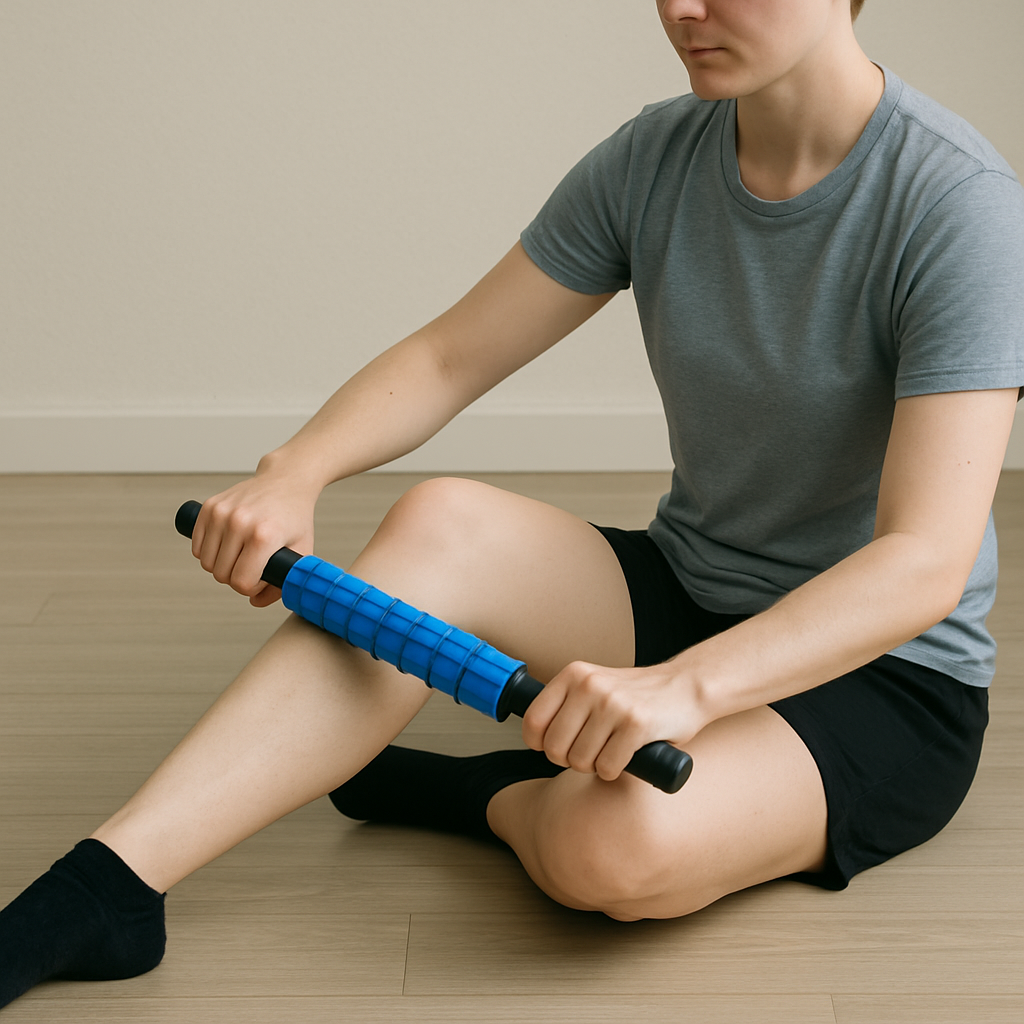
For more targeted work on smaller muscles, a massage stick is your best friend. It offers far more control than a foam roller, which is perfect for addressing the nagging tightness that can creep into your calves and shins. While sitting, gently roll the stick up and down your calf muscle, applying just enough pressure to feel a release without causing pain. This controlled pressure can make a world of difference in how fresh your lower legs feel on race morning.
Finally, don't forget your feet. After carrying you through hundreds of miles of training, they deserve some attention. Before bed, spend two to three minutes using your thumbs to apply moderate pressure to the arches of your feet. This simple hand massage not only eases foot tension but also helps calm your nervous system, promoting relaxation and better sleep. While these quick fixes are perfect for race week, incorporating them regularly throughout your training is where you'll see the biggest long-term rewards.
Beyond Race Week: Why Regular Massage Is Your Secret Training Partner
While a light flush-out is perfect for race week, your peak training weeks demand a different approach. Think of those nagging knots that build up in your calves and hamstrings after long runs. A regular, deeper sports massage for marathon runners can act like a reset button during these intense periods. A skilled therapist can work on breaking down these stubborn adhesions before they evolve into a full-blown injury. This proactive care is crucial for staying healthy and consistent, ensuring you don’t miss key workouts.
Beyond just preventing sidelining injuries, a consistent massage schedule for marathon training can actually make you a more efficient runner. When your muscles are pliable and free of restrictions, your range of motion improves. This means your stride can be more fluid and powerful, requiring less energy to maintain your pace. It's the difference between running with the emergency brake slightly on and gliding smoothly down the road. That saved energy can be a game-changer in the final miles of the marathon.
Finally, consider a good therapist part of your coaching team. They can often identify imbalances or "hot spots" that you may not even feel yet. For instance, they might notice that your right hip flexor is significantly tighter than your left, a potential precursor to IT band issues. This early feedback gives you a chance to address the root cause with targeted stretching. This is why a deep tissue massage is best done well before running a race, when you have time to act on the information.
Your Pre-Race Massage Action Plan
Knowing when and how to get a pre-marathon massage transforms it from a potential risk into a powerful tool for your final race preparation. You no longer have to guess about the right approach; you have a clear, simple plan to boost your race-day confidence.
To make it simple, here is your final checklist:
WHEN? 4-7 days before race day.
WHAT KIND? A light 'Tune-Up' or 'flushing' massage (e.g., Swedish).
WHAT TO AVOID? Deep tissue or any painful work in the week prior.
WHAT TO SAY? "I'm running the LA Marathon and need a light, pre-event massage."
Armed with this knowledge, you can ensure your final tune-up helps, not hurts. You’re not just finishing your training; you’re intelligently preparing your body for peak performance. See this massage as the final, calming step that gets you to the starting line at Dodger Stadium feeling prepared, not punished. Now go have an amazing race.